The Art of Broken Window Repair: A Comprehensive Guide
Windows are more than just openings in the walls; they are important parts of a building's structure, offering light, ventilation, and insulation. However, they can also be vulnerable to damage, whether from unintentional effects, harsh weather, or wear and tear. A broken window not just diminishes the visual appeal of a home but can also cause safety dangers, energy ineffectiveness, and increased utility bills. This comprehensive guide intends to supply property owners and residential or commercial property supervisors with the understanding and steps necessary to repair damaged windows efficiently.
Understanding the Importance of Window Repair
Before delving into the repair procedure, it's crucial to comprehend why fixing broken windows is essential. A damaged window can:
- Compromise Safety: Broken glass can position a significant threat of injury to occupants.
- Increase Energy Costs: Gaps in the window can cause heat loss in winter season and heat gain in summertime, making your HVAC system work harder.
- Affect Property Value: Unrepaired windows can interfere with the overall look and worth of a property.
- Invite Pests: Cracks and gaps can serve as entry points for insects like bugs and rodents.
- Trigger Water Damage: Leaks can cause water damage, mold, and other structural issues.
Identifying the Type of Damage
The primary step in fixing a broken window is to identify the kind of damage. Typical types include:
- Cracked Glass: Minor cracks can frequently be fixed, while major cracks usually need replacement.
- Broken Pane: A totally shattered pane requires a replacement.
- Loose or Warped Window Frame: This can be caused by age, wetness, or poor setup.
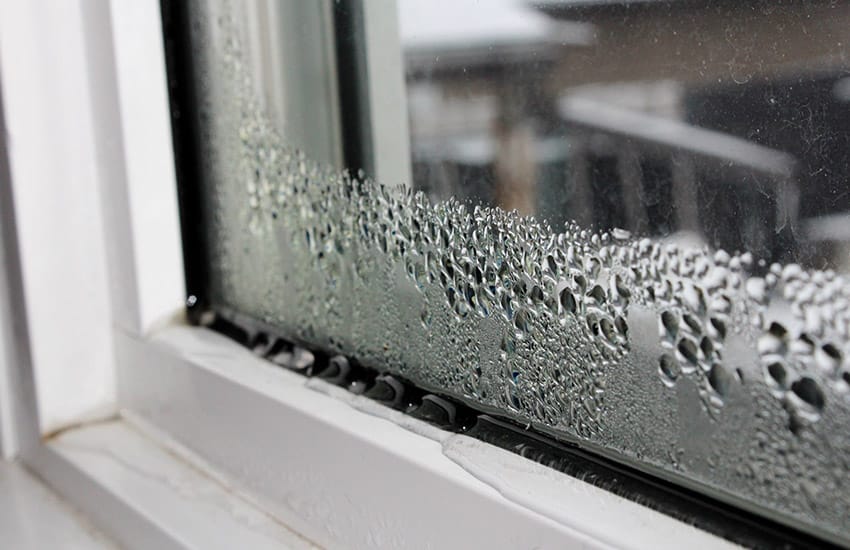
- Damaged Seals: Broken seals can cause drafts and wetness invasion.
- Rotted Wood: Wooden frames can rot due to wetness, requiring replacement or repair.
Getting ready for the Repair
Before beginning the repair, collect the needed tools and materials. Here's a list of fundamentals:
- Safety Gear: Gloves, goggles, and a dust mask.
- Tools: Screwdriver, putty knife, hammer, sculpt, and a drill.
- Materials: Replacement glass, glazing putty, paint, silicone sealant, and weatherstripping.
Step-by-Step Guide to Repairing a Broken Window
Guarantee Safety
- Wear gloves and goggles to protect yourself from glass fragments.
- Clear the area around the window to prevent mishaps.
Remove the Broken Glass
- Thoroughly get rid of any staying glass from the frame utilizing a putty knife and pliers.
- Utilize a vacuum cleaner to get small pieces of glass and debris.
Check the Frame
- Check the frame for any indications of damage, warping, or rot.
- If the frame is damaged, you might need to replace it or use wood filler for small repairs.
Eliminate Old Glazing Putty
- Utilize a heat weapon to soften the old glazing putty and a putty knife to scrape it away.
- Make sure all old putty and paint are gotten rid of to develop a tidy surface for the brand-new glass.
Measure and Cut the New Glass
- Measure the frame precisely to determine the size of the new glass.
- Cut the glass to size utilizing a glass cutter and a straight edge.
Install the New Glass
- Use a thin layer of glazing putty around the edges of the frame.
- Thoroughly position the new glass into the frame, ensuring it is centered.
- Usage glazing points (little metal clips) to hold the glass in location.
Apply Glazing Putty
- Press the glazing putty around the edges of the glass to protect it.
- Smooth the putty with a putty knife to produce a neat finish.
Enable the Putty to Dry
- Let the putty dry for numerous days according to the manufacturer's directions.
Paint the Putty
- Once the putty is dry, paint it to match the window frame and surrounding location.
Install Weatherstripping and Sealant
- Apply weatherstripping to the edges of the window to prevent drafts.
- Usage silicone sealant to seal any gaps around the frame.
Expert Help vs. DIY
While minor repairs can typically be managed by homeowners, more extensive damage may need professional support. Here are some circumstances where calling a professional is a good idea:
- Large or Complex Repairs: If the damage is substantial or if the window becomes part of a historical home, an expert can guarantee the repair is done correctly and safely.
- Security Concerns: If the window is high up or if you are uncomfortable dealing with glass, an expert can handle the job.
- Specialty Windows: Certain types of windows, such as stained glass or leaded windows, may require specialized abilities and materials.
Expense Considerations
The expense of window repair can vary depending upon the type and extent of the damage. Here are some factors that affect the expense:
- Size and Type of Window: Larger windows and specialty windows can be more expensive to repair.
- Materials: The expense of replacement glass and other products can differ.
- Labor: Professional repairs can be more expensive, especially for intricate jobs.
Ecological Impact
Properly getting rid of damaged glass and old products is necessary for environmental reasons. Here are some suggestions:
- Recycle Glass: Check with local recycling centers to see if they accept broken glass.
- Dispose of Putty and Paint: Follow regional standards for disposing of glazing putty and paint, which might require to be dealt with as hazardous waste.
Upkeep Tips
Preventing window damage is easier than fixing it. Here are some maintenance ideas to keep your windows in great condition:
- Regular Cleaning: Clean windows and frames regularly to avoid accumulation of dirt and grime.
- Inspect Seals: Check the seals around the windows for any signs of wear and tear.
- Address Moisture Issues: Fix any leakages or moisture problems around the windows to prevent rot.
- Usage Protective Films: Consider using protective movies to windows to lower the threat of fractures and breakage.
Frequently asked questions
Q: Can I repair a little crack in my window myself?
A: Yes, small fractures can typically be repaired utilizing a DIY window repair package. visit this site include an epoxy resin that can be used to the crack to seal it and prevent more damage. However, for larger or more complex cracks, it is recommended to speak with an expert.
Q: How do I know if I require to replace the whole window or just the glass?
A: If the glass is the only broken element and the frame is in excellent condition, you can normally simply replace the glass. However, if the frame is distorted, rotten, or damaged, or if the window is old and ineffective, it may be more cost-effective to replace the whole window.
Q: What should I do if I can't discover a precise match for my window glass?
A: If you can't discover a precise match, think about using a comparable type of glass. For example, if you have frosted glass, you can use another frosted glass, even if the pattern is somewhat various. Alternatively, you can have custom glass made to match your existing window.
Q: How long does it take for glazing putty to dry?
A: The drying time for glazing putty can vary depending upon the brand and ecological conditions. Generally, it takes about 24 to 48 hours to dry adequate to paint. Always check the manufacturer's instructions for particular drying times.
Q: Can I repair a double-pane window myself?
A: Repairing a double-pane window is more intricate than a single-pane window due to the fact that it involves keeping the seal in between the 2 panes. If the seal is broken, it can be challenging to repair without professional help. However, if the damage is small, such as a small fracture, you can attempt a DIY repair utilizing a window repair kit.
Broken window repair is a task that can be dealt with by property owners with the right tools and knowledge. Nevertheless, it's crucial to examine the damage and choose whether a DIY technique is possible or if professional aid is required. By understanding the significance of window repair, following the steps outlined in this guide, and maintaining your windows regularly, you can guarantee that your home stays safe, energy-efficient, and visually pleasing.